
Roasted Butternut Squash: A Simple and Delicious Guide
This article focuses on perfectly roasted butternut squash, a versatile and nutritious dish perfect for any occasion. We’ll guide you through every step, from selecting the best squash to achieving that caramelized, sweet flavor. Whether you’re looking for a healthy side dish, a vegetarian main course, or an ingredient for soups and salads, this recipe will become a staple in your kitchen. We’ll cover ingredient selection, detailed roasting instructions, a printable recipe card, nutritional information, frequently asked questions, and tips for variations. Get ready to enjoy the rich, nutty flavor of roasted butternut squash!
The Magic of Roasted Butternut Squash
Butternut squash, with its vibrant orange flesh and subtly sweet flavor, is a fall and winter favorite. Roasting it brings out its natural sweetness, creating a caramelized exterior and a tender, creamy interior. It’s a simple yet elegant dish that’s packed with vitamins, minerals, and antioxidants. Plus, it’s incredibly versatile – you can enjoy it on its own, add it to salads, soups, pasta dishes, or even use it as a filling for ravioli.
Ingredients: The Foundation of Flavor
The key to exceptional roasted butternut squash lies in the quality of your ingredients. Here’s what you’ll need:
- Butternut Squash: Choose a squash that feels heavy for its size and has a firm, unblemished rind. Look for a deep beige color, which indicates ripeness. A long neck and small seed cavity will give you more flesh to work with.
- Olive Oil: Extra virgin olive oil adds richness and helps the squash caramelize beautifully.
- Salt: Enhances the natural sweetness of the squash. Kosher salt is preferred.
- Black Pepper: Adds a touch of spice and complexity. Freshly ground black pepper is ideal.
- Optional Additions:
- Maple Syrup or Honey: A drizzle of maple syrup or honey can amplify the sweetness.
- Fresh Herbs: Rosemary, thyme, or sage complement the squash’s flavor.
- Spices: Cinnamon, nutmeg, or a pinch of cayenne pepper add warmth and depth.
- Garlic: Minced garlic adds a savory note.
Step-by-Step Instructions: Roasting Perfection
Follow these detailed instructions to achieve perfectly roasted butternut squash:
- Preheat Oven: Preheat your oven to 400°F (200°C).
- Prepare the Squash:
- Wash the butternut squash thoroughly.
- Carefully cut off the top and bottom of the squash.
- Peel the squash using a vegetable peeler. You can also use a sharp knife, but be careful.
- Cut the squash in half lengthwise.
- Scoop out the seeds and stringy fibers with a spoon.
- Cut the squash into 1-inch cubes or crescent shapes. Uniform sizes will ensure even cooking.
- Season the Squash:
- Place the squash in a large bowl.
- Drizzle with olive oil (about 2-3 tablespoons for a medium-sized squash).
- Sprinkle with salt and pepper.
- Add any optional seasonings, such as maple syrup, herbs, or spices.
- Toss well to ensure the squash is evenly coated.
- Roast the Squash:
- Spread the squash in a single layer on a baking sheet lined with parchment paper. This prevents sticking and makes cleanup easier.
- Roast for 25-35 minutes, or until the squash is tender and slightly caramelized. Flip the squash halfway through cooking to ensure even browning.
- The squash is done when it’s easily pierced with a fork.
- Serve and Enjoy:
- Remove the squash from the oven and let it cool slightly.
- Serve as a side dish, add to salads or soups, or enjoy as a vegetarian main course.
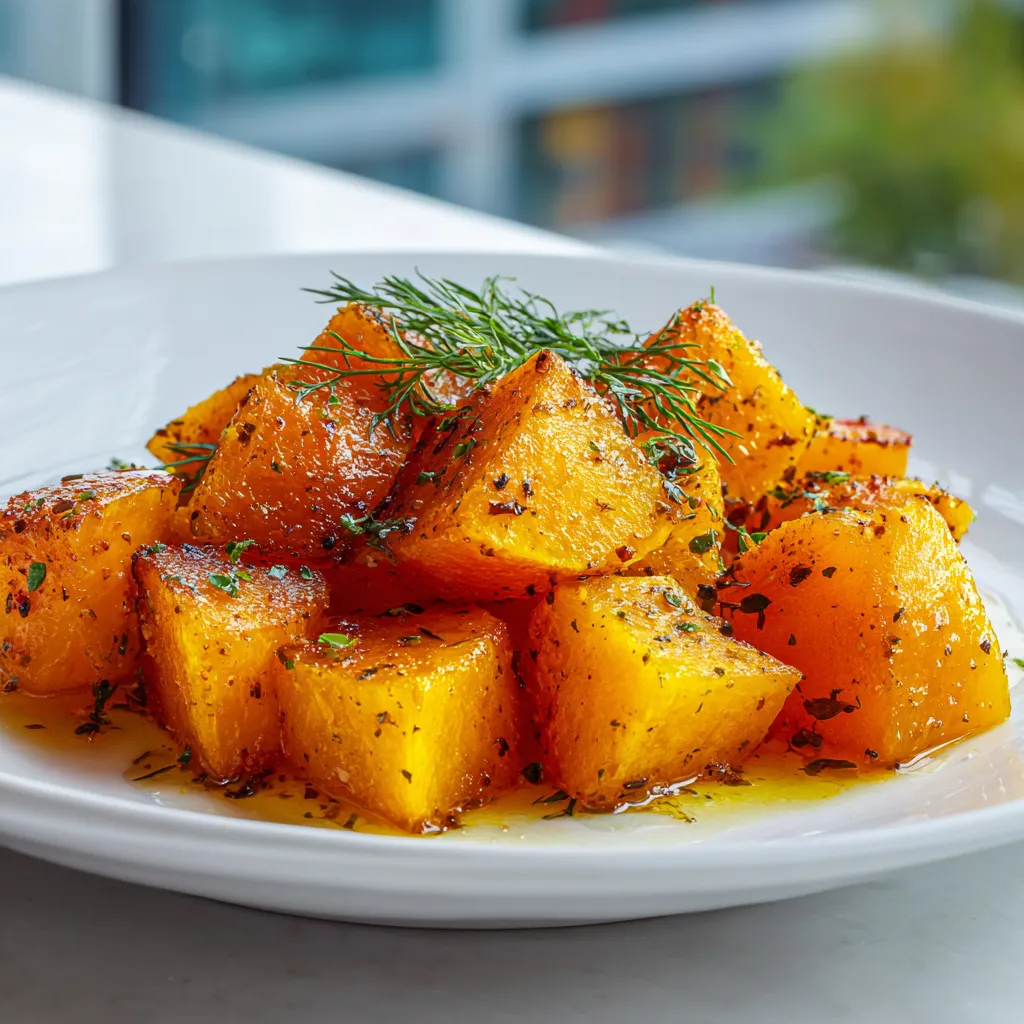
Tips for the Best Roasted Butternut Squash
Here are a few tips to ensure your roasted butternut squash turns out perfectly every time:
- Choose the Right Squash: Select a squash that feels heavy for its size and has a deep beige color.
- Cut Evenly: Cutting the squash into uniform pieces ensures even cooking.
- Don’t Overcrowd the Pan: Spread the squash in a single layer on the baking sheet to allow for proper caramelization. Overcrowding will steam the squash instead of roasting it.
- Parchment Paper is Your Friend: Line your baking sheet with parchment paper for easy cleanup.
- Don’t Be Afraid of Browning: A little browning is a good thing! It adds flavor and sweetness.
- Experiment with Flavors: Don’t be afraid to experiment with different seasonings and herbs to find your favorite combination.
Recipe Variations: Spice Up Your Squash
Roasted butternut squash is delicious on its own, but here are a few variations to keep things interesting:
- Maple Roasted Butternut Squash: Drizzle with maple syrup before roasting for a sweeter flavor.
- Spicy Roasted Butternut Squash: Add a pinch of cayenne pepper or chili flakes for a touch of heat.
- Herb Roasted Butternut Squash: Toss with fresh rosemary, thyme, or sage before roasting.
- Garlic Roasted Butternut Squash: Add minced garlic to the squash before roasting for a savory flavor.
- Cinnamon Roasted Butternut Squash: Sprinkle with cinnamon and nutmeg for a warm, comforting flavor.
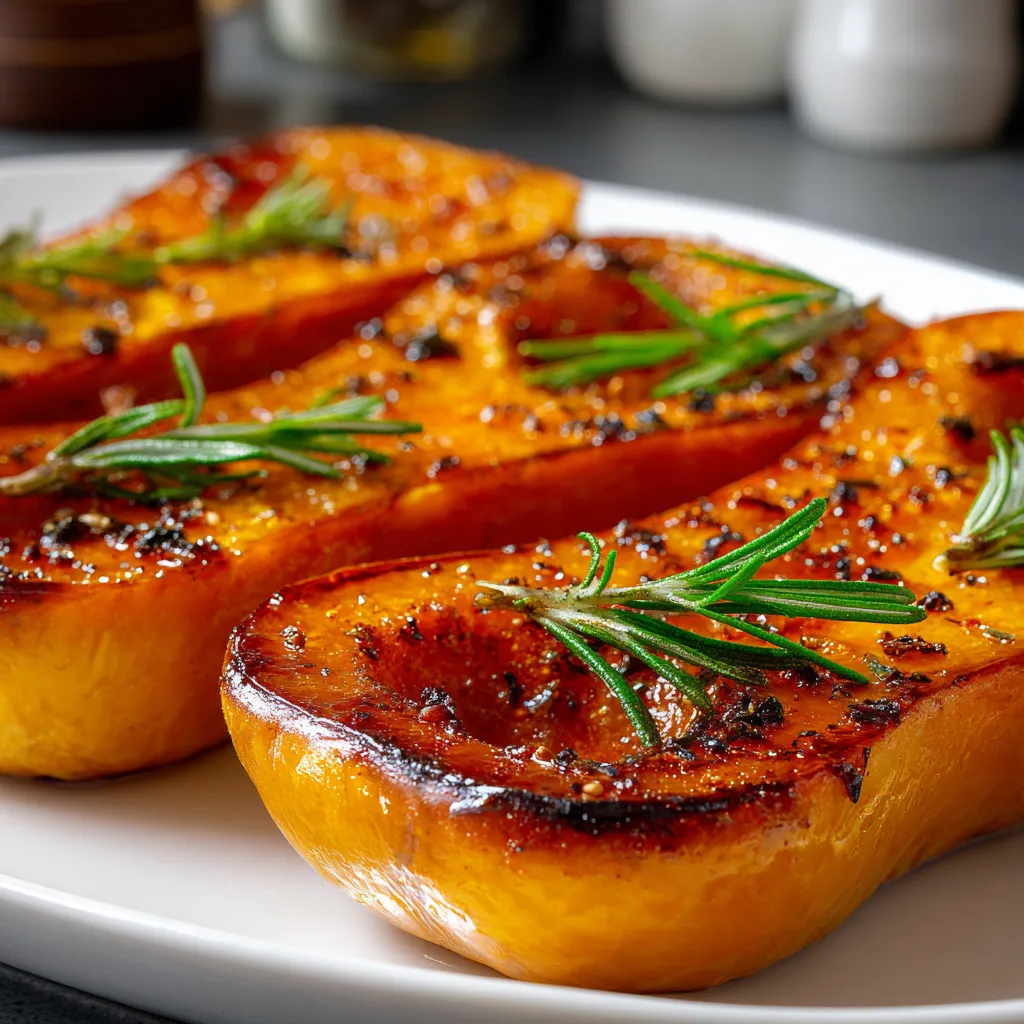
Recipe Card: Roasted Butternut Squash
Prep Time: 15 minutes | Cook Time: 30 minutes | Total Time: 45 minutes | Category: Side Dish, Vegetarian | Method: Roasting | Cuisine: American
Nutrition Card: Roasted Butternut Squash
Calories: 150 | Sugar: 7g | Fat: 8g | Carbohydrates: 21g | Fiber: 3g | Protein: 2g | Yields: 4 servings
FAQs: Your Burning Questions Answered
Can I roast butternut squash with the skin on?
While you can roast butternut squash with the skin on, it’s generally recommended to peel it first. The skin can be tough and difficult to chew, even after roasting. Peeling ensures a more tender and enjoyable eating experience.
How do I cut a butternut squash easily?
Cutting a butternut squash can be challenging due to its tough skin. Try microwaving the whole squash for 2-3 minutes to soften the skin slightly. Then, use a sharp chef’s knife and carefully cut off the top and bottom. Next, stand the squash on one of the cut ends and carefully slice it in half lengthwise. Use a spoon to scoop out the seeds and fibers.
What temperature is best for roasting butternut squash?
The ideal temperature for roasting butternut squash is 400°F (200°C). This temperature allows the squash to caramelize beautifully while cooking through evenly. You can also roast it at 375°F (190°C) for a slightly longer time if you prefer a more tender result.
How do I know when roasted butternut squash is done?
Roasted butternut squash is done when it’s tender and easily pierced with a fork. It should also have a slightly caramelized exterior. The cooking time will vary depending on the size of the squash pieces and the oven temperature.
Can I freeze roasted butternut squash?
Yes, you can freeze roasted butternut squash. Allow the squash to cool completely, then spread it in a single layer on a baking sheet lined with parchment paper. Freeze for about 2 hours, or until the squash is solid. Transfer the frozen squash to a freezer bag or container and store it in the freezer for up to 3 months.
I’m so glad you’re here. If you enjoyed this recipe or found it helpful, feel free to share it with your friends and family great food is meant to be shared! Don’t forget to follow me on Facebook and Pinterest for more delicious recipes, kitchen tips, and daily cooking inspiration, Your support means the world to me, and I look forward to bringing you even more tasty ideas straight from my kitchen.
Delicious Roasted Butternut Squash Easy Recipe
Easy recipedelicious roasted butternut squash Preproast this fall veggie for a tasty side Simple techniqueperfect flavor 139 chars
- Total Time: 45 minutes
- Yield: 4 servings 1x
Ingredients
Instructions
Notes
Learn how to make perfectly roasted butternut squash, a versatile and nutritious dish perfect for any occasion. This guide covers ingredient selection, detailed roasting instructions, and tips for variations.
- Prep Time: 15 minutes
- Cook Time: 30 minutes
- Category: Array
- Cuisine: American
Nutrition
- Serving Size: 4 servings
- Calories: 150 calories
- Sugar: 7 grams
- Fat: 8 grams
- Carbohydrates: 21 grams
- Fiber: 3 grams
- Protein: 2 grams